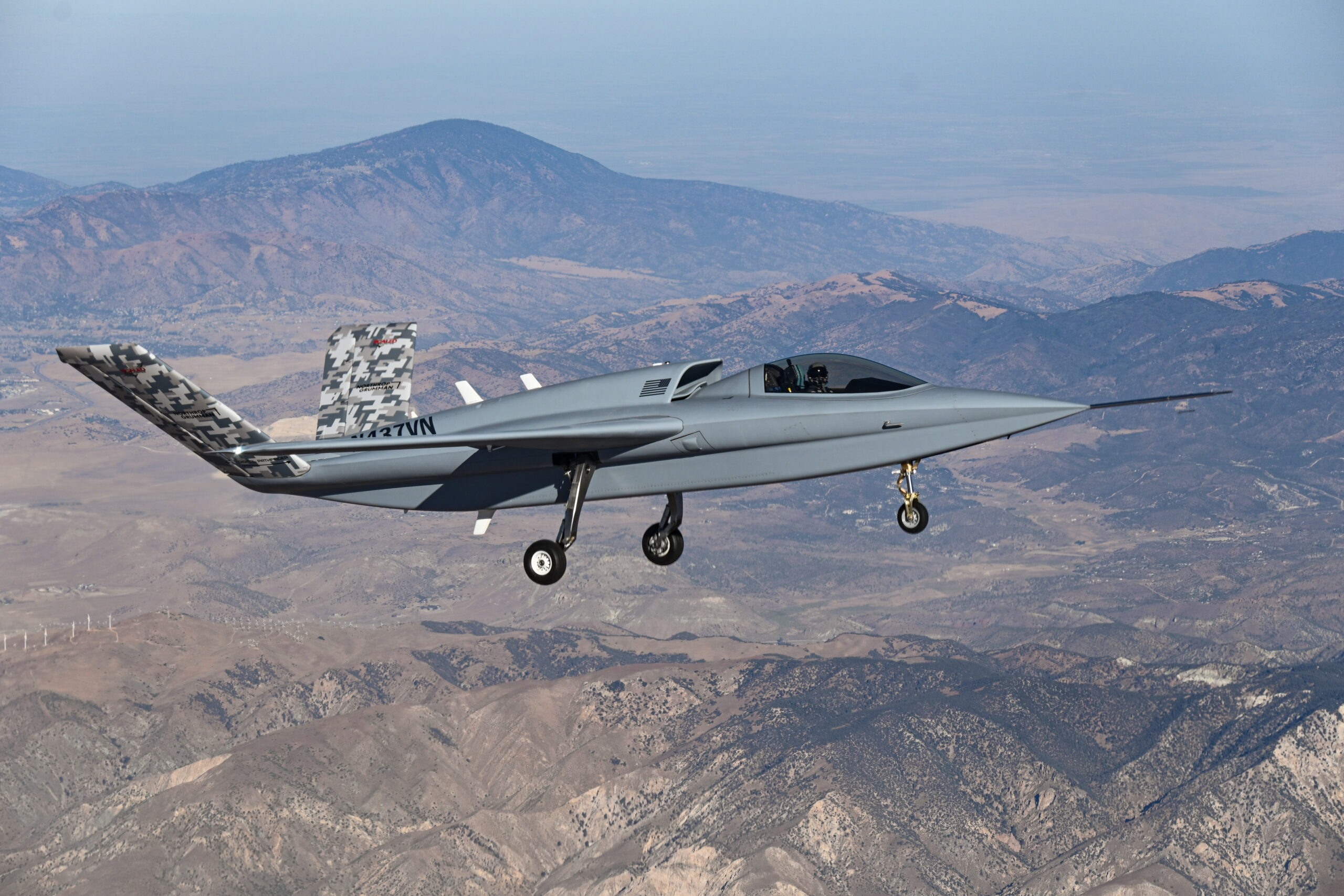
The wings of the M437 take flight after being developed in a fully connected digital ecosystem
Digital engineering and advanced manufacturing not only saves cost and increases efficiency, it fosters collaboration across the entire program lifecycle.

Digital engineering and advanced manufacturing not only saves cost and increases efficiency, it fosters collaboration across the entire program lifecycle.
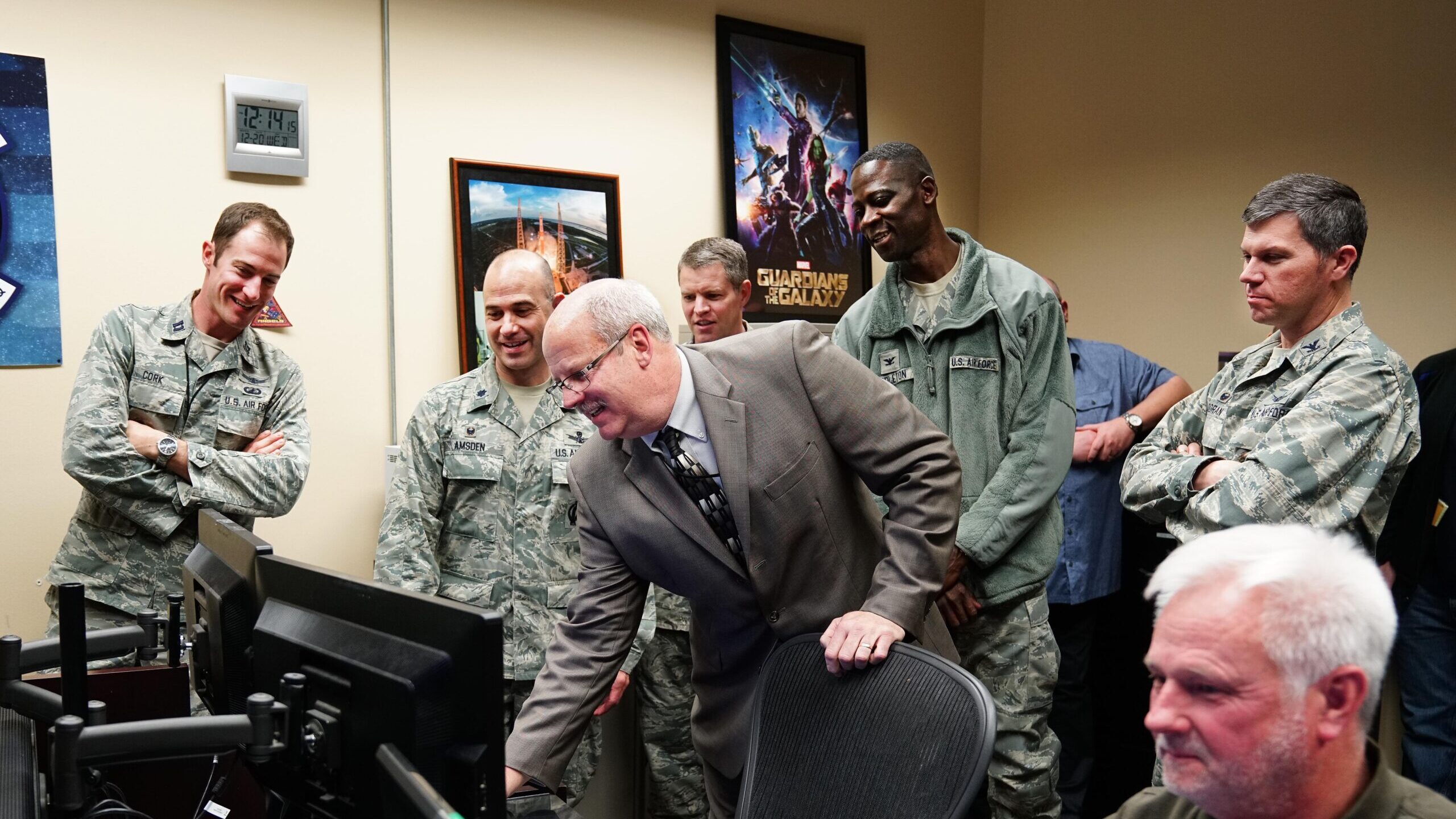
Many of the technology challenges facing the Space Force are "fundamental and architectural," requiring the service to figure out how "to get these new, rapidly evolving ideas into the system in a way that makes sense and it's not utter chaos," said Joel Mozer, director of science, technology and research.


APKWS® laser‑guidance kit provides reliable precision‑guided munitions across missions and platforms, delivered quickly to meet evolving operational demands.

"Let me be really clear here, because I'm not giving you a budget number does not mean we are not doing anything," said Gen. Arnold Bunch, Air Force Materiel Command head.

The B-21 program will not undertake traditional "block upgrades" to beef up future performance, says Air Force Global Strike Command head Gen. Timothy Ray. Instead, it will incrementally add new capabilities as they become available.
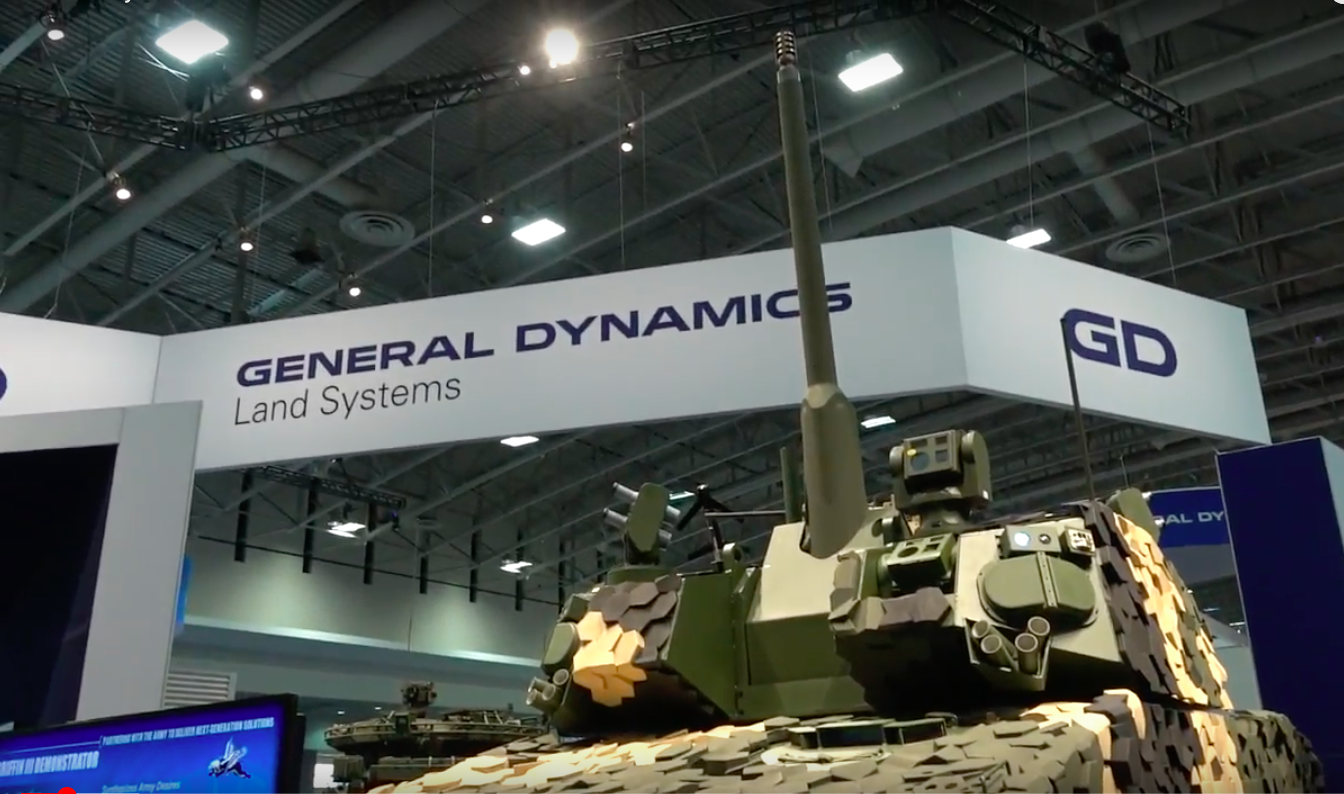
General Dynamics is offering the Army a design approach -- not a specific vehicle -- that rigorously examines a wide array of options. The common factors: advanced electronics, open architecture and artificial intelligence.

Despite tightening budgets, the Army’s pushing ahead with its plan to replace the Reagan-era UH-60 Black Hawk with a high-speed Future Long-Range Assault Aircraft (FLRAA). It’ll pick between Bell’s V-280 and the Sikorsky-Boeing Defiant-X next year, with the winner entering service in 2030.


A commitment to long-term operational value.

"This is a new effort, as the expanded mission now goes beyond a strict MQ-9 replacement," an AFLCMC spokesperson said. "This endeavor serves to explore concepts that address capability gaps of legacy platforms against increasingly sophisticated threats in denied, contested, and highly contested environments."

The Eagle Passive Active Warning Survivability System (EPAWSS) will let pilots to monitor, jam and deceive threats in contested airspace.

"As a new service, we have an opportunity here to really establish ourselves in a new way -- leveraging digital technologies, and leveraging digital processes and practices in a new way," says Maj. Gen. Kim Crider, Space Force acting chief technology innovation officer.
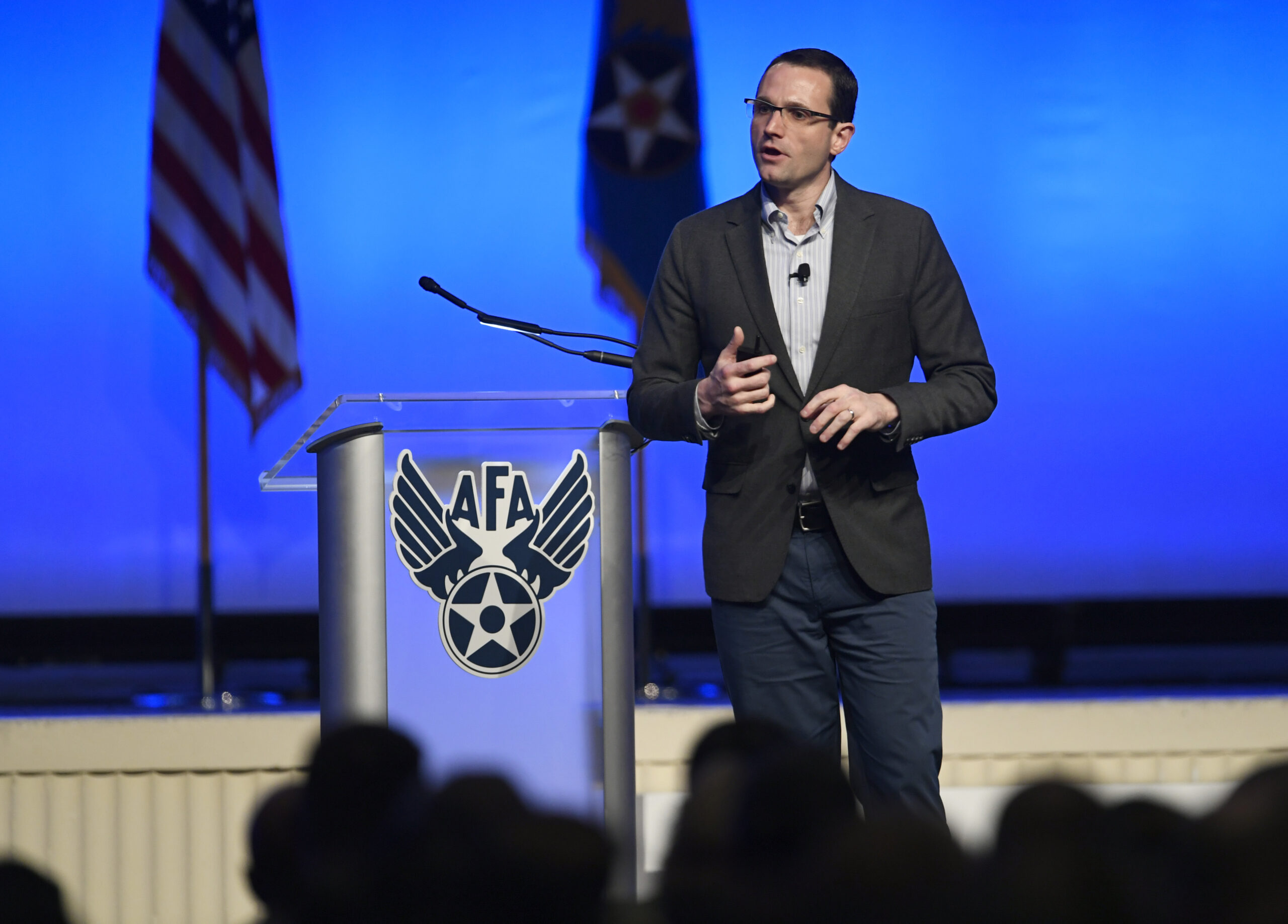
The Air Force's new AI copilot could next be flown by a Skyborg drone, says AF acquisition czar Will Roper.

Army vehicles like Bradley need greater power at the sprocket for speed, braking, and manueverability.

"We're learning from industry as we go," said Eileene Vidrine, Air Force chief data officer.
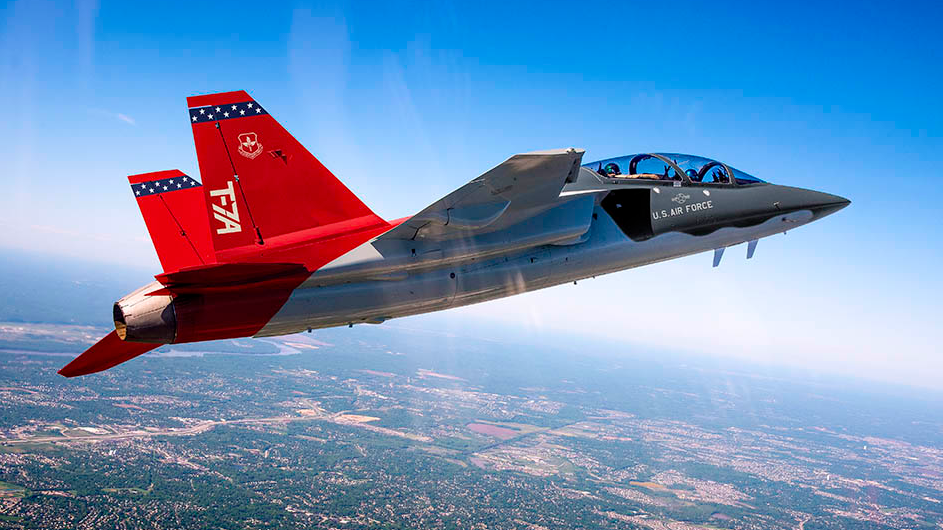
The Air Force has ordered 46 simulators and associated ground equipment, but can purchase up to 120 simulators under the current contract with Boeing.

"The business case is a naïve bet on out-year operating cost savings – that’s an act the Hill has seen before, and it never pays off," independent analyst Rebecca Grant says of the Digital Century Series concept.
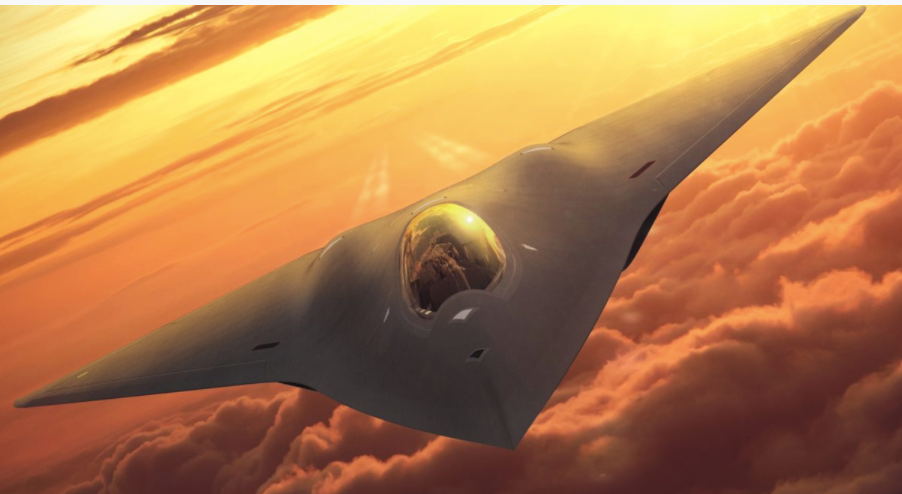
"With a flattening budget topline (at best) and many competing Air Force investment priorities, it’s not at all clear that this program will continue. We might just be left with a museum-ready prototype," Teal Group's Richard Aboulafia says.